Blog ·
Why Paint Correction Results Can Appear Uneven (And How to Avoid It)
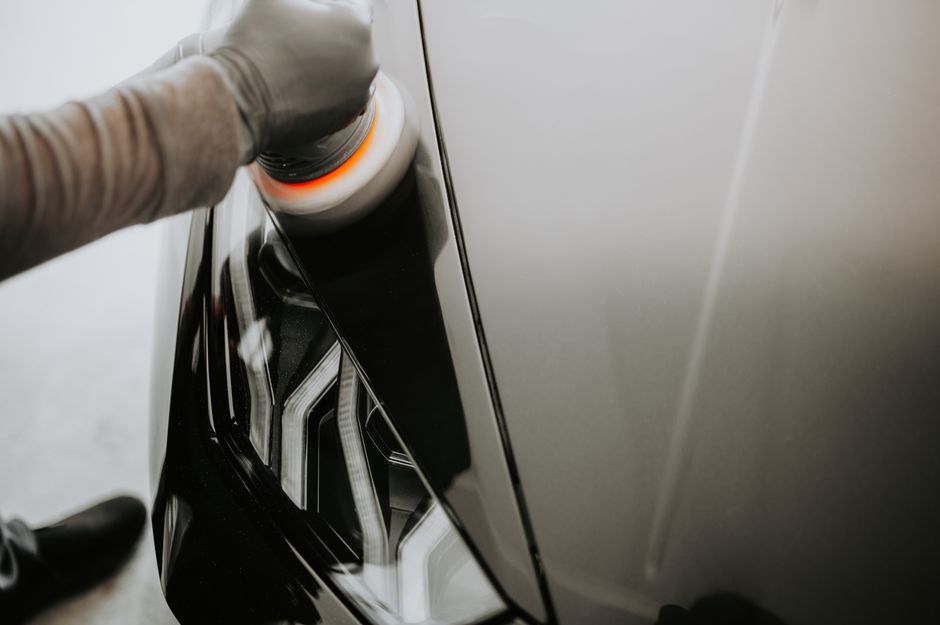
When you bring your vehicle to us for paint correction, you expect even, flawless results across the entire surface. But sometimes customers notice that certain panels look more refined than others, or that some areas still show swirl marks while others shine perfectly. If you've experienced this frustration, you're not alone. Understanding what causes uneven paint correction results helps explain why professional assessment and technique matter so much.
One of the most common culprits is paint thickness variation. Factory paint isn't applied uniformly across every panel. The roof often receives thicker paint than doors or the hood because of manufacturing processes. Heavily damaged areas may have been previously repainted with different product formulations. When we perform paint correction, we're removing clear coat and paint layers with abrasive compounds and polishing techniques. On thinner sections, we need to work more conservatively to avoid cutting through to primer. On thicker areas, we can be more aggressive. This naturally creates depth differences in how corrected each area becomes.
Pre-existing damage and repairs also disrupt uniformity. If a panel was previously involved in a collision and professionally repaired, the new paint may respond differently to our correction process. Existing scratches, chips, or areas of oxidation require different treatment approaches. Paint that's been exposed to harsh conditions for years responds differently than newer paint, even on the same vehicle. What looks uniform from ten feet away may reveal these variations up close.
Surface contamination compounds the problem. Industrial fallout, tree sap, brake dust, and other contaminants affect how correction compounds interact with the paint. Insufficient prep work before correction can trap these particles beneath our abrasives, creating inconsistent results. This is why thorough washing and decontamination are non-negotiable steps in our process.
The skill and technique of the person performing the work matter tremendously. Paint correction requires consistent pressure, speed, and tool angle. Variations in technique create uneven correction patterns, even across a single panel.
At Diasper Path, we address these challenges through careful vehicle assessment, proper surface preparation, and precise technique. We also recommend following paint correction with ceramic coating or paint protection film. These services create a uniform protective layer across your vehicle, enhancing the appearance of corrected paint and protecting it from future damage. The combination of paint correction with protective services ensures that your vehicle maintains that showroom-new appearance you're investing in.